
How Much Does It Cost to Level a Pier and Beam House in Louisiana?
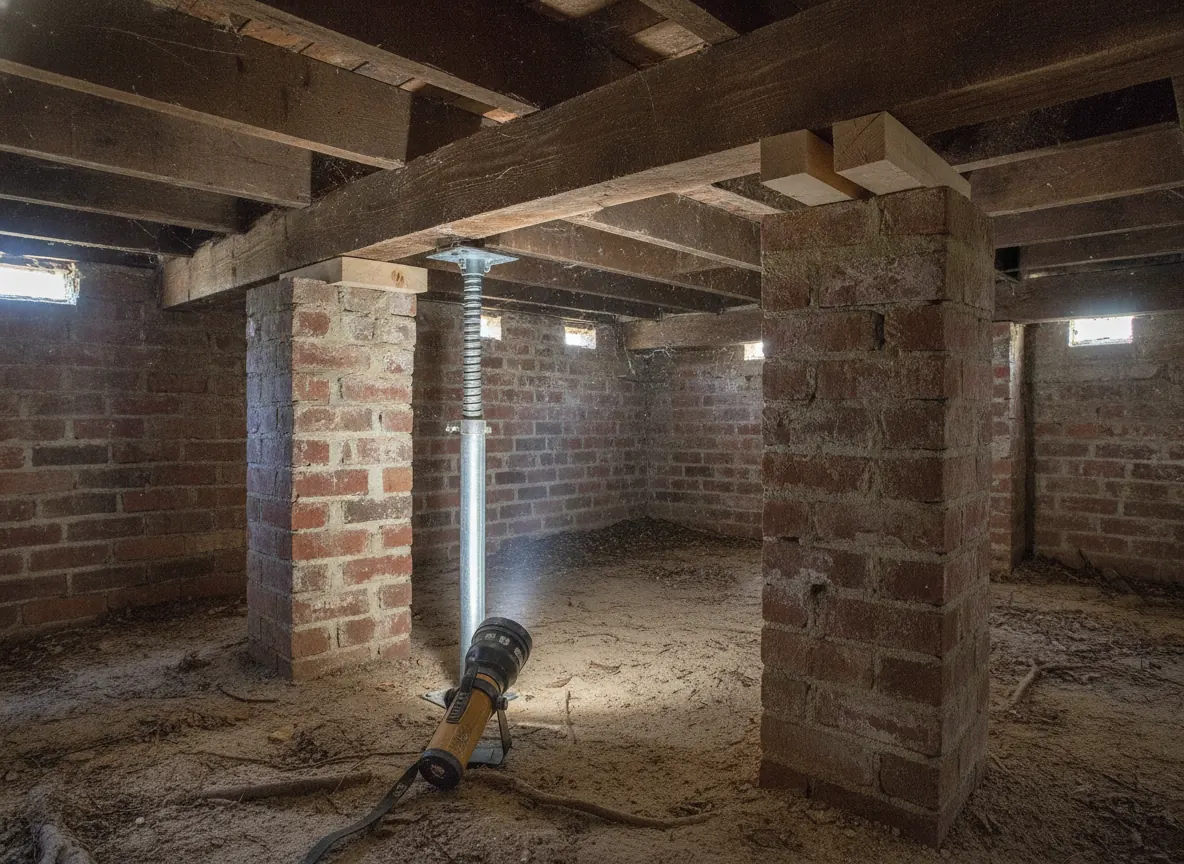
If the floors in your raised house dip, bounce or run downhill, the fix is often called leveling: bringing the floor framing back toward level by adjusting, adding or replacing the supports under it. The first question most homeowners in Shreveport, LA and the rest of Louisiana ask is what it will cost.
The honest answer is a range. The national cost guides do not publish a reliable price for leveling or shimming on its own. They do publish prices for pier-and-beam repair overall and for the parts of the job, and those give you a workable planning range before companies come out.
Typical costs for pier-and-beam leveling work
| Item | Typical range | Source |
|---|---|---|
| Pier-and-beam foundation repair, overall | $2,000–$15,000 | Fixr |
| Piers, per pier (underpinning) | $1,000–$3,000 | Fixr, This Old House |
| Sagging floor repair | $1,000–$5,000 | Fixr |
| Support beam replacement | $1,500–$5,000 per beam | Fixr |
| Floor joist repair | $100–$300 per joist | Fixr |
| Wood rot repair in a crawl space | $750–$5,000 | Fixr |
| Structural engineer inspection | $300–$1,000 (avg ≈ $600) | This Old House, Oct 2026 |
| Permit | $75–$150 | This Old House |
Typical national ranges from published 2025–2026 cost guides (Fixr, This Old House, Angi), not quotes. Your price depends on an on-site inspection.
Two common line items are missing on purpose. Re-shimming existing piers and replacing rotted sill plates often come up when leveling an older raised house, but reliable published prices for them do not exist; the figures that circulate online vary widely or have no clear source. Get written quotes for those parts instead of relying on a number from the internet.
What leveling a pier-and-beam house usually involves
Leveling covers a range of work. A proposal may include one or several of these:
- Re-shimming. Where a pier has dropped a little but is sound, the company jacks the beam up and adds shims between the pier and the beam.
- Adding piers. Long, sagging spans between supports may get new piers in between.
- Replacing piers. Cracked, leaning or sunken piers may be removed and rebuilt on new footings, or replaced with another pier type.
- Beam and joist work. Rotted or cracked beams may be replaced, and weak joists sistered (a new board fastened alongside) or replaced.
- Sill plate repair. Rotted wood along the outside wall may need replacing before that edge can be brought up.
- Moisture fixes. Drainage, a vapor barrier or encapsulation may be recommended so the conditions that moved the piers or rotted the wood are addressed.
A typical leveling job, step by step
Measure
The company, or an engineer you hire, takes floor elevation readings across the house to map the high and low spots.
Inspect the crawl space
Someone checks piers, beams, joists, sill plates, moisture and signs of termites, and photographs what they find.
Write a scope
The proposal lists which piers get shims, which are added or replaced, and what wood is repaired, by location.
Lift in stages
Beams are jacked and supported a little at a time. Ask how far they plan to lift and whether doors, trim or drywall may need touch-up afterward.
Recheck
A second set of elevation readings shows what changed. Keep a copy with your contract and permit.
What drives the price
- How many supports need work. Per-pier work adds up fast. Underpinning piers are listed at $1,000–$3,000 each nationally (Fixr, This Old House), so a plan with many new piers can climb quickly; ask each company to price piers by count and location in writing.
- Crawl space height and access. A low or tight crawl space slows the work and can raise labor cost.
- Condition of the wood. Rot or termite damage in sills, joists or beams adds repair lines. If termites are present, a pest control operator licensed by the Louisiana Department of Agriculture and Forestry (LDAF) should treat before or alongside the structural work.
- How far out of level the floor is. A small dip near one pier is a different job from a house that slopes across its whole length.
- Soil and water. Piers on clay that stays wet in spring and dries out in late summer may keep moving unless drainage is addressed. See drainage and grading.
- Engineer report and permit. An independent engineer's assessment and a permit add to the total but make quotes easier to compare.
- Finish work. Doors, trim, flooring or drywall may need adjustment after the floor moves. Ask whether that is included.
To rough out a total for your own job, try the calculator on the foundation repair cost guide for Shreveport, LA.
Why raised homes in the Shreveport area need leveling
Many older homes in the region are raised on piers, though no published count gives the share. About 65% of homes in Shreveport were built before 1980, and about 78% in Minden, LA (ACS 2020–2024), and many in early 20th-century districts like Highland, Fairfield and South Highlands sit on piers over a crawl space. Many of those houses have rested on the same piers for decades.
The ground under them moves. Much of Caddo and Bossier parishes is mapped in clay soils with high to very high shrink-swell potential (USDA NRCS soil data): roughly 43% of Caddo and 55% of Bossier by area, including Red River clays like Moreland and Buxin and upland soils like Eastwood and Keithville. Wet springs are normal here, with April the wettest month, and dry spells hit hard: Caddo Parish peaked with 88.9% of the parish in D3 "extreme" drought on September 19, 2023 (U.S. Drought Monitor). Swings between wet and dry can contribute to individual piers settling or lifting. Soils vary by lot, so check yours on the USDA's Web Soil Survey.
Ask why the piers moved. Shims can bring a floor back up, but they do not fix a wet crawl space, a rotted sill or a footing that keeps sinking. If a quote is shims only, ask what caused the drop and what the company expects to happen over the next few seasons. For a large leveling job or quotes that disagree, an independent LAPELS-licensed structural engineer ($300–$1,000, This Old House) can write a scope that companies quote against. The engineer should be independent of the company selling the repair. See foundation inspections.
How to compare leveling quotes
Put the written proposals side by side and check the same things on each.
- Elevation readings before the work, and a commitment to take them again after.
- The number and location of piers to be shimmed, added or replaced, and what they are made of.
- Footing size and depth for any new piers.
- What wood is repaired or replaced, by location.
- Whether drainage or moisture work is included or only recommended.
- Who pulls the permit, and the permit number once issued.
- The LSLBC license number and proof of liability insurance.
- What the warranty covers, whether it transfers to a buyer, and that it is in writing.
Louisiana's contractor board (LSLBC) changed its thresholds on August 1, 2024. Home improvement registration now covers most projects of $7,500 to under $50,000, but structural work such as foundations, footings and floor slabs is excluded from "home improvement", so foundation repair over $7,500 generally calls for an LSLBC-licensed contractor. Look the company up at lslbc.louisiana.gov and ask for the license number, proof of liability insurance and the permit. If you are unsure which credential your job needs, confirm with the LSLBC.
Structural repairs generally need a permit from your city or parish; your contractor should pull it. In Shreveport and the rest of Caddo Parish except Greenwood, that is the City of Shreveport's Permits and Inspections office. Bossier City has its own office, unincorporated Bossier Parish and Benton use Code Inspections Plus, and Haughton, Minden and Stonewall have town offices.
Louisiana's home solicitation law (R.S. 9:3538) gives a 3-business-day right to cancel many in-home sales of $25 or more, but it may not apply when you contacted the company yourself or to emergency repairs already under way. Ask whether a cancel right applies and get it in writing.
For the full picture of methods, see pier and beam repair and crawl space repair. If you are still working out what is behind the dips, read why floors sag in a crawl space home.
Common questions
How much does it cost to level a pier and beam house?
Published guides do not price leveling on its own. Fixr lists pier-and-beam foundation repair at $2,000–$15,000 nationally and sagging floor repair at $1,000–$5,000. Underpinning piers are listed at $1,000–$3,000 each (Fixr, This Old House), but what a company charges per pier under a raised house is not reliably published, so get written quotes. Your total depends on how many supports and how much wood need work, so get written quotes.
Is shimming cheaper than adding new piers?
A shim adjustment on sound piers is usually a smaller job than building new piers, but reliable published prices for shimming do not exist. If a pier is cracked, leaning or sitting on a failing footing, shims alone may not hold. Ask each company why it chose its method and put the answer in the proposal.
Do I need a structural engineer before leveling?
Not for every job. Consider an independent LAPELS-licensed engineer for a large leveling job, quotes that disagree, or a home you are buying or selling. This Old House lists an inspection at $300–$1,000. The engineer should be independent of the company selling the repair.
Do I need a permit to level a house in Shreveport?
Structural repairs generally need a permit from your city or parish, and your contractor should pull it. In Shreveport and the rest of Caddo Parish except Greenwood, that is the City of Shreveport's Permits and Inspections office. Ask for the permit number before work starts.
Get quotes from local companies
Shreveport Foundation Services is a free quote service, not a foundation company. Describe what you are seeing once and independent pier and beam and crawl space companies serving Shreveport, LA, Bossier City and nearby towns can reply with quotes. Companies may pay to receive requests, and there is no obligation to hire anyone. Request free quotes or call (318) 633-1685.